If I weren’t going on sabbatical soon, and if I were so inclined to update my resume, I too would be highlighting the “tech sovereignty” work I’ve done. It’s not resume embellishment, just logical semantic evolution. Those of us who have been banging the drums of open source, decentralised, privacy, etc, etc, all this time have had pretty clear understanding of what that stuff means.
The thematics of “tech sovereignty” are not new at all, it’s just that Deloitte finally decided to do a report. It took the batshit insane, old man POTUS to get the entire world to think a teensy poo about what technological choices might mean socially, politically, philosophically.
Some folks have been considering these sorts of things since the 90s, but ok, now that people seem to understand how media and power intertwine, let’s talk about the “splinternet”.
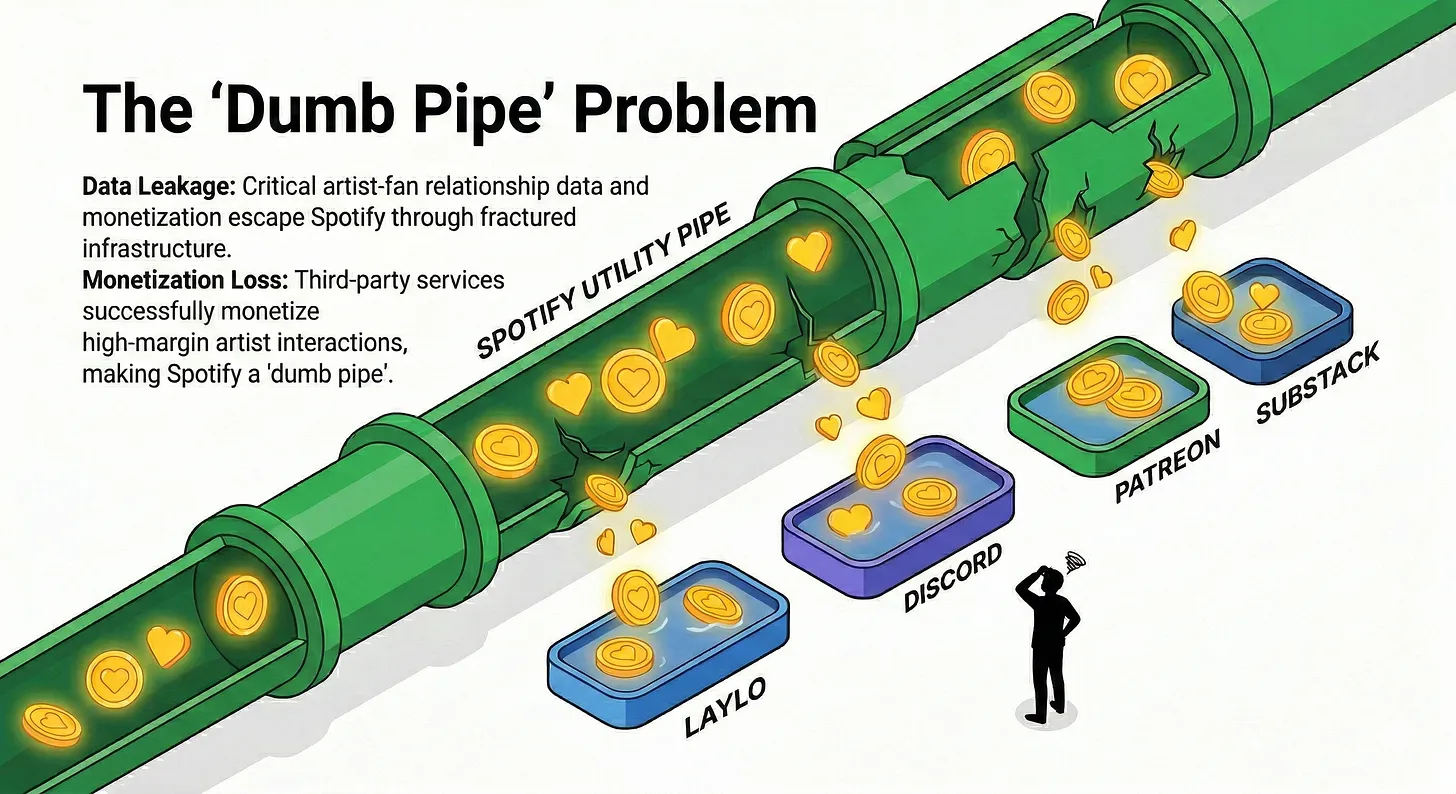
Just kidding. The “uh oh Splinternet!” anxiety-inducing propaganda happened like eight years ago already. Does anyone remember that? Anyway, the term rears up from time to time, and although people evoke the Great Firewall of China or the Russian internet, the reality is that our internet is already fractured af in a bunch of different ways from structural to cultural to political.
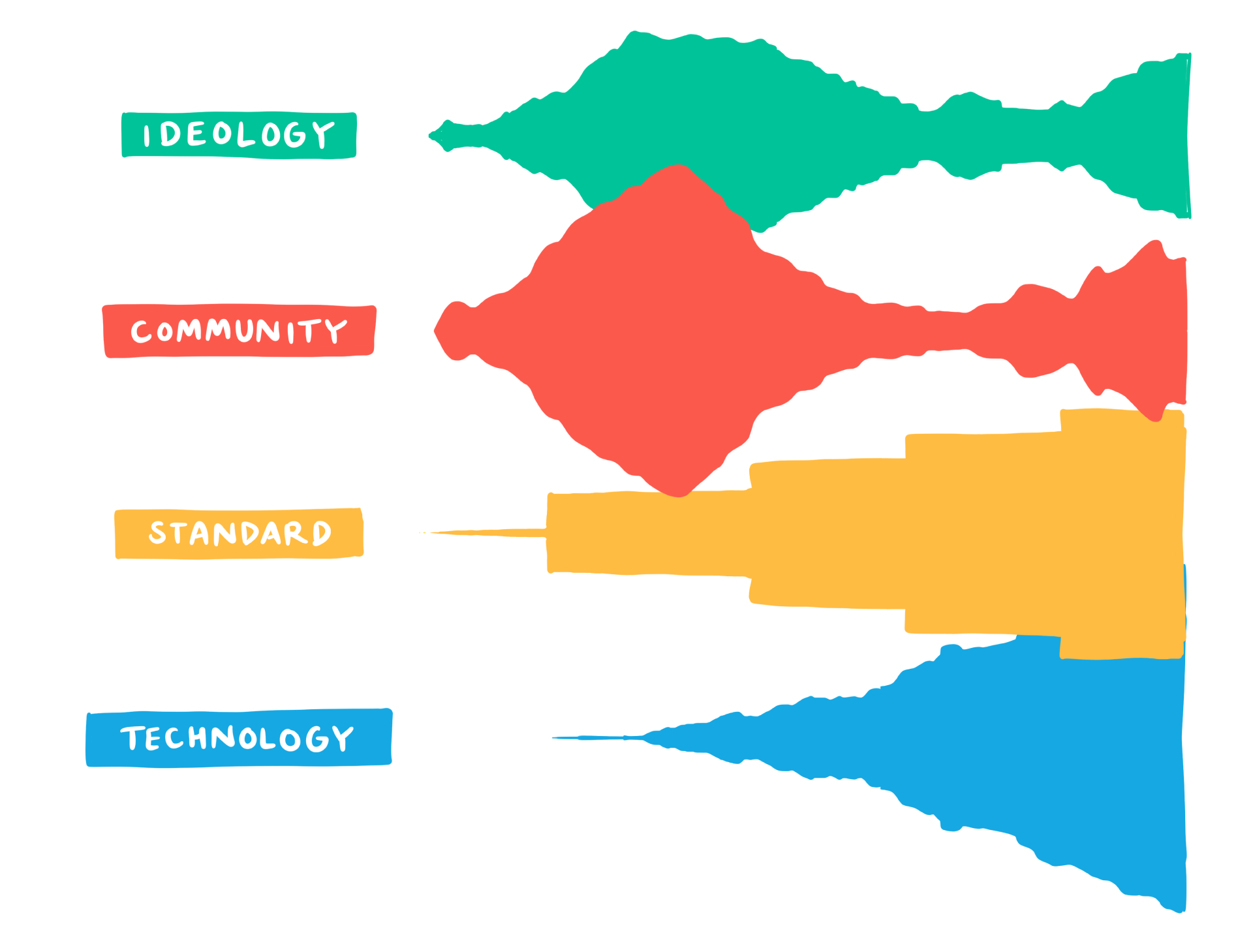
cc-by-nd Bryan Mathers
We’re limited and separated by our knowledge. By what we don’t know we don’t know. And by things we know we don’t know, like my inability to speak or read Japanese. I have no idea what the Japanese internet is like because of this. I’d imagine it, like my internet, has its dark forests and hidden corners.
Most people are caught in their algorithmic bubbles and are also not thinking about or talking about the implications of media and technology on culture. Culture, of course, influences literally everything from how our language evolves to what abuses we’ll tolerate in the name of “safety”. Truth be told, culture is already splintered in a million different ways, big and small, good and bad.
Which, to come full circle, means that sovereignty, like community building, is culturally contextual. Decisions about technology reflect the culture of the people/orgs/governments making those decisions and also, importantly, the tech people who advise them. Values are reflected.
Technology is political, it always was. We can reject the values that US Big Tech, arguably chameleons when it comes to values, force down our throats, but it is a conscious decision and action. Tech sovereignty is not a bunch of easy choices.
Tech sovereignty is also not just about ensuring that we maintain some little bit of control over which and whose values are reflected. More and more, it’s also about rejecting US hegemony. The US used to push it’s (now historical) values through soft power structures that evolved alongside the post-WWII world order. Now, its influencers and leaders are now trying to force feed a fully different set of values down all of our throats, and they’re using media and online culture to do it.
- Tech Freedom EU > https://techfreedom.eu
- The freedom stack > https://www.ianbetteridge.com/the-freedom-stack/
- A Declaration of the Independence of Cyberspace > https://www.eff.org/cyberspace-independence
- Splinternet > https://en.wikipedia.org/wiki/Splinternet
- A New Political Compass > https://www.noemamag.com/a-new-political-compass/
- How far back in time can you understand English? > https://www.deadlanguagesociety.com/p/how-far-back-in-time-understand-english
- Working with the lovely folks at INASP >https://blog.weareopen.coop/rising-scholars-sprinting-with-inasp/
Maybe I need help?
My views on everything have grown and changed and are complex and nuanced. They are political and apolitical too. Just a wash of confusion, this having a brain thing. A lot of the time I don’t even know what I’m thinking about. That’s the main reason I write anything at all, trying to figure out what’s going on in there.